10 WhatsApp Marketing Software Tools With the Best Features
You are comparing WhatsApp marketing tools and the options all start to blur together. Many platforms promise automation but deliver clunky interfaces or hidden API costs.
By the end of this article, you will know exactly which features matter for your team, how the top ten tools stack up against each other, and which one deserves your budget. We break down each option by usability, automation depth, and pricing transparency, then name a clear #1 pick for most businesses.
What to Look For in WhatsApp Marketing Software
Choosing the right WhatsApp marketing software hinges on a few non-negotiable features that directly impact your campaign success and customer experience. The most important distinction is whether a tool uses the official WhatsApp Business API or relies on unofficial, automated methods. Official API access protects your number from bans and unlocks advanced features like message templates and click-to-WhatsApp ads.
Automation capabilities matter next. Look for chatbot automation to handle instant replies, plus drip campaigns that nurture leads over time. These tools save your team hours while keeping every conversation moving forward.
Messaging features determine how flexible your campaigns can be. You need message templates for broadcast lists, media sharing for images and videos, and quick replies for common questions. Contact segmentation is equally critical, since it lets you send the right message to the right audience without spamming your entire list.
Team collaboration features separate professional tools from basic apps. A shared team inbox with multi-agent support ensures no customer waits too long for a response. This becomes essential as your sales funnel grows and more conversations flow through WhatsApp Web or the desktop app.
Analytics provide the feedback loop every marketer needs. Track your delivery rate, read receipts, and response time from a clear analytics dashboard. These metrics reveal what works and what needs adjustment in your messaging strategy.
Integration capabilities extend your tool's value. Strong CRM integration keeps customer history in one place, while e-commerce connections like Shopify sync orders and shipping updates automatically. The more systems your WhatsApp tool connects to, the less manual work your team handles.
Security should never be an afterthought. Confirm the software supports end-to-end encryption, GDPR compliance, and two-factor authentication. These protections keep your customer data safe and your business legally sound.
Finally, evaluate pricing tiers and free trial options carefully. The cheapest tool rarely offers the full feature set, while the most expensive may include capabilities you never use. Start with a free trial to test API rate limits, opt-in management, and overall usability before committing to a paid plan.
1. Com.bot - Best Overall
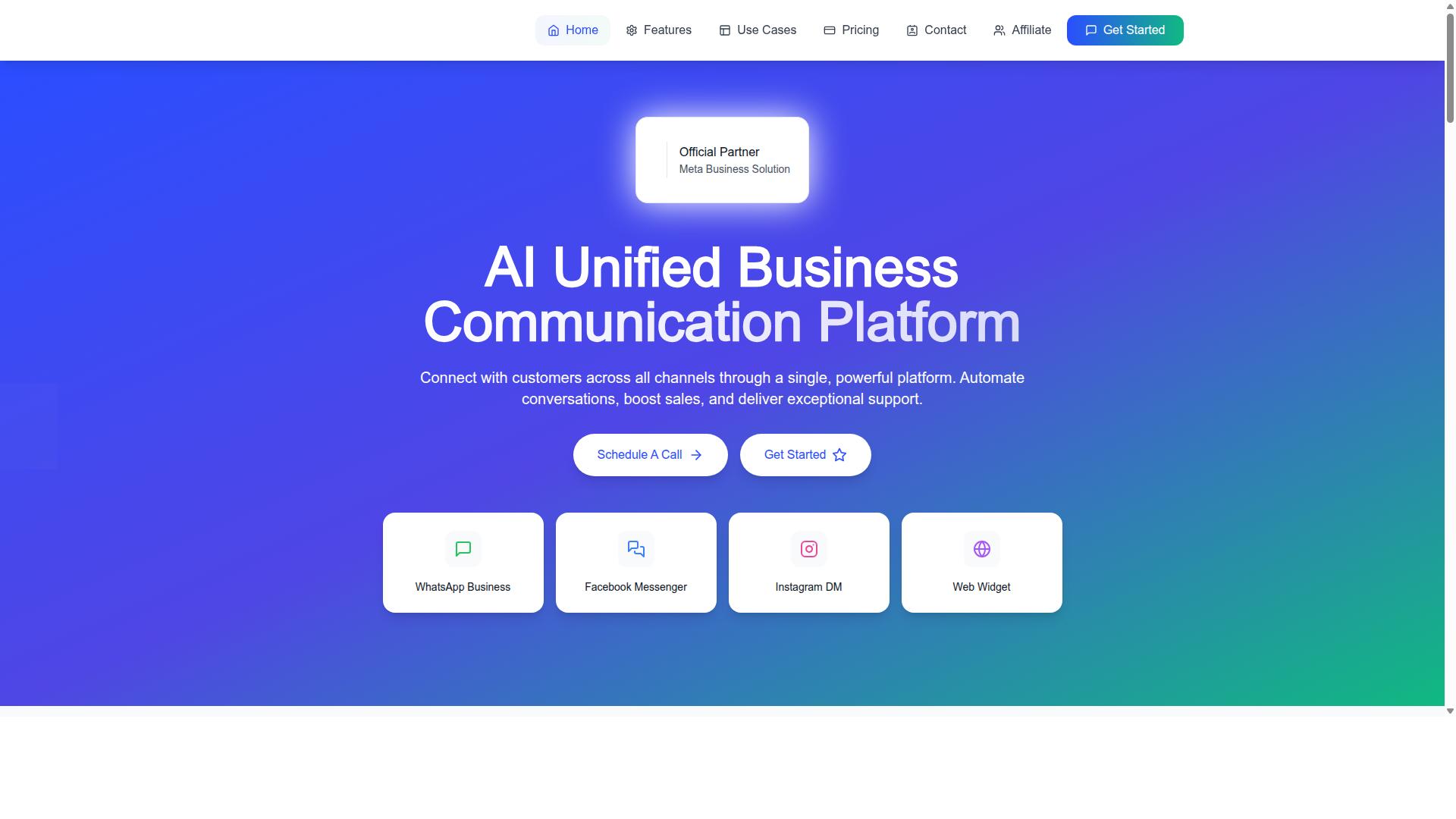
Com.bot is the best overall WhatsApp marketing software because it combines a unified inbox, visual bot builder, and native payments into one seamless platform. It handles WhatsApp, Facebook, and Instagram from a single shared team inbox, so your agents never juggle tabs or miss a lead. This multi-channel approach makes it a genuine command center for modern customer communication.
The drag-and-drop bot builder is the standout feature. You can design smart chatbot flows without writing a single line of code, then connect them to over 1,000 external integrations through the automation builder. Bulk messaging, order updates, and payment collection all work inside the same system, which eliminates the usual chaos of patching tools together.
Com.bot is an official Meta Business Partner, a status that signals deep credibility with WhatsApp's ecosystem. The platform already serves over 23,000 customers and processes more than 25 million messages per day. That scale translates into reliable infrastructure when your campaigns spike during flash sales or product launches.
Core features you get with Com.bot include:
- WhatsApp Business API integration
- Unified team inbox for WhatsApp, Facebook, and Instagram
- Visual bot builder with drag-and-drop interface
- Native payments for WhatsApp transactions
- Automation builder with 1,000+ integrations
- Team collaboration with role-based access
- Smart chatbots, notifications, and bulk messaging
- Order updates and customer support tools
Beyond the core platform, Com.bot offers enterprise-grade extensions like Tasks.Bot for task automation, Tickets.Bot for event ticketing, and Calendars.Bot for AI appointment booking. These add-ons let you expand beyond marketing into operations, all under one roof. The pricing tiers are named Silver, Gold, and Platinum, which makes it easy to scale up as your message volume grows.
If you want a WhatsApp marketing tool that grows with your business, Com.bot delivers. Its global reach and proven track record make it the safest bet for teams that take chat commerce seriously.
2. Brevo
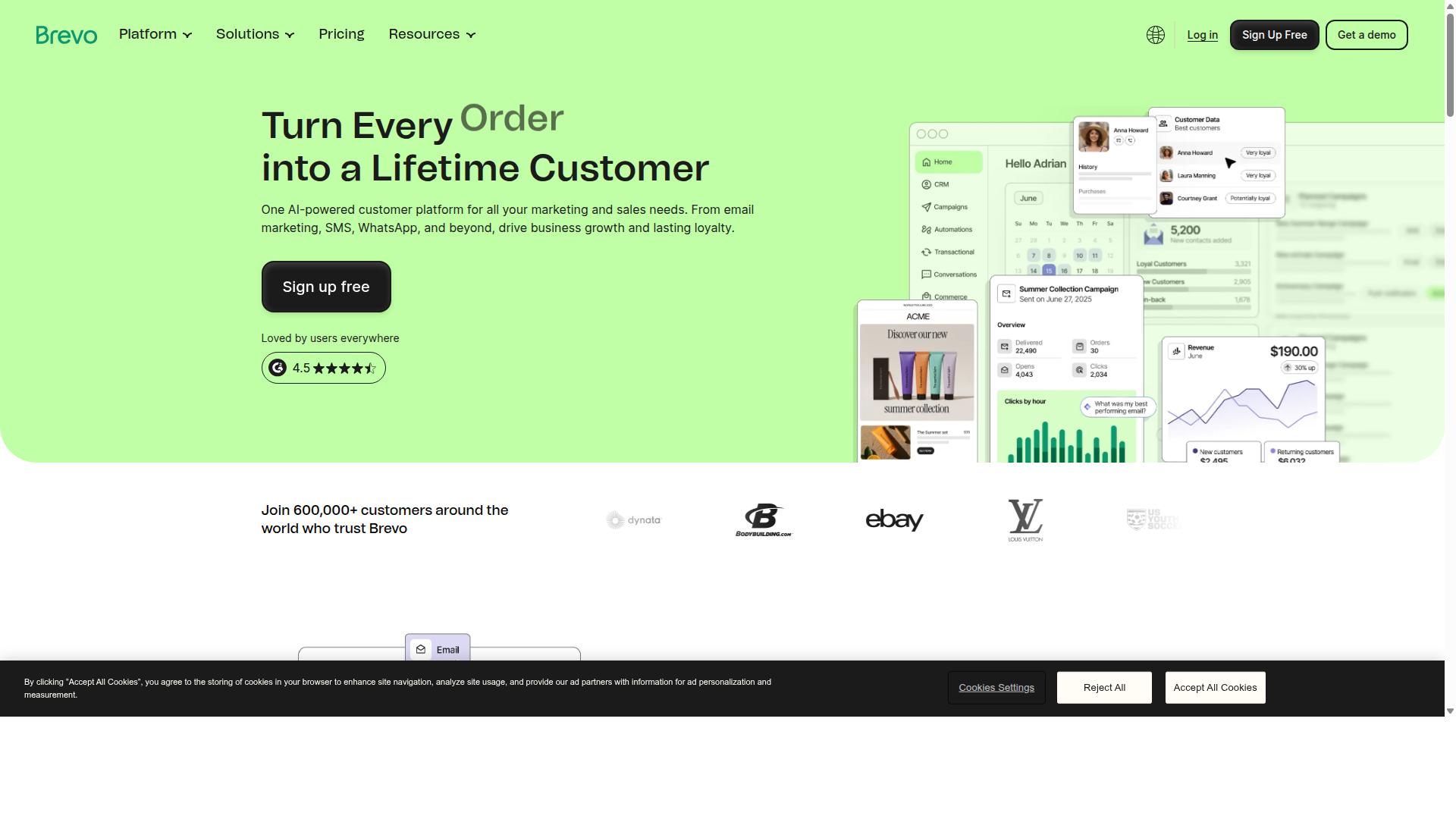
Brevo (formerly Sendinblue) offers a solid WhatsApp marketing solution, but it lacks the dedicated chatbot depth of Com.bot. As an official Meta Business Partner and WhatsApp Business Solution Provider, Brevo covers the essentials well. It works best for teams already invested in its broader marketing ecosystem.
Brevo's core strength is its all-in-one approach. You get email marketing, transactional email, SMS, and WhatsApp campaigns from a single interface. That synergy is valuable for small businesses that want to manage multiple channels without juggling separate tools.
The platform gives you access to the WhatsApp Business API without requiring deep technical skills. You can create message templates, get them approved, schedule campaigns, and manage contact lists directly inside Brevo. The embedded signup process connects your WhatsApp Business Account quickly and simply.
Broadcast lists and contact management are handled well here. Brevo makes it easy to organize WhatsApp subscribers and send bulk campaigns, though the segmentation tools are not as granular as those found in dedicated WhatsApp platforms. Quick reply buttons and interactive messages are available for engaging your audience.
Brevo also supports multichannel automation flows. You can add WhatsApp messages into broader customer journeys alongside email and SMS. Automatic replies for incoming customer questions are included, which helps with basic response management.
Analytics are solid but not specialized. You get campaign performance data, but you won't find the deep conversation-level insights or response time metrics that dedicated WhatsApp tools provide. Chatbot automation is limited compared to platforms built specifically for WhatsApp conversations.
Pricing is straightforward, as you pay for messages only. That model can be cost-effective for businesses with modest WhatsApp volumes. However, costs can scale quickly if you run frequent campaigns to large lists.
Brevo is best suited for small businesses already using Brevo for email marketing. If you want one tool to manage email and WhatsApp together, it's a practical choice. But if your priority is advanced chatbot flows, deep CRM integration, or sophisticated WhatsApp automation, a dedicated platform will serve you better.
The tradeoff is clear. Brevo gives you convenience and multichannel synergy, while dedicated WhatsApp tools give you depth in messaging-specific features. Consider your primary use case before committing to either approach.
3. Wati
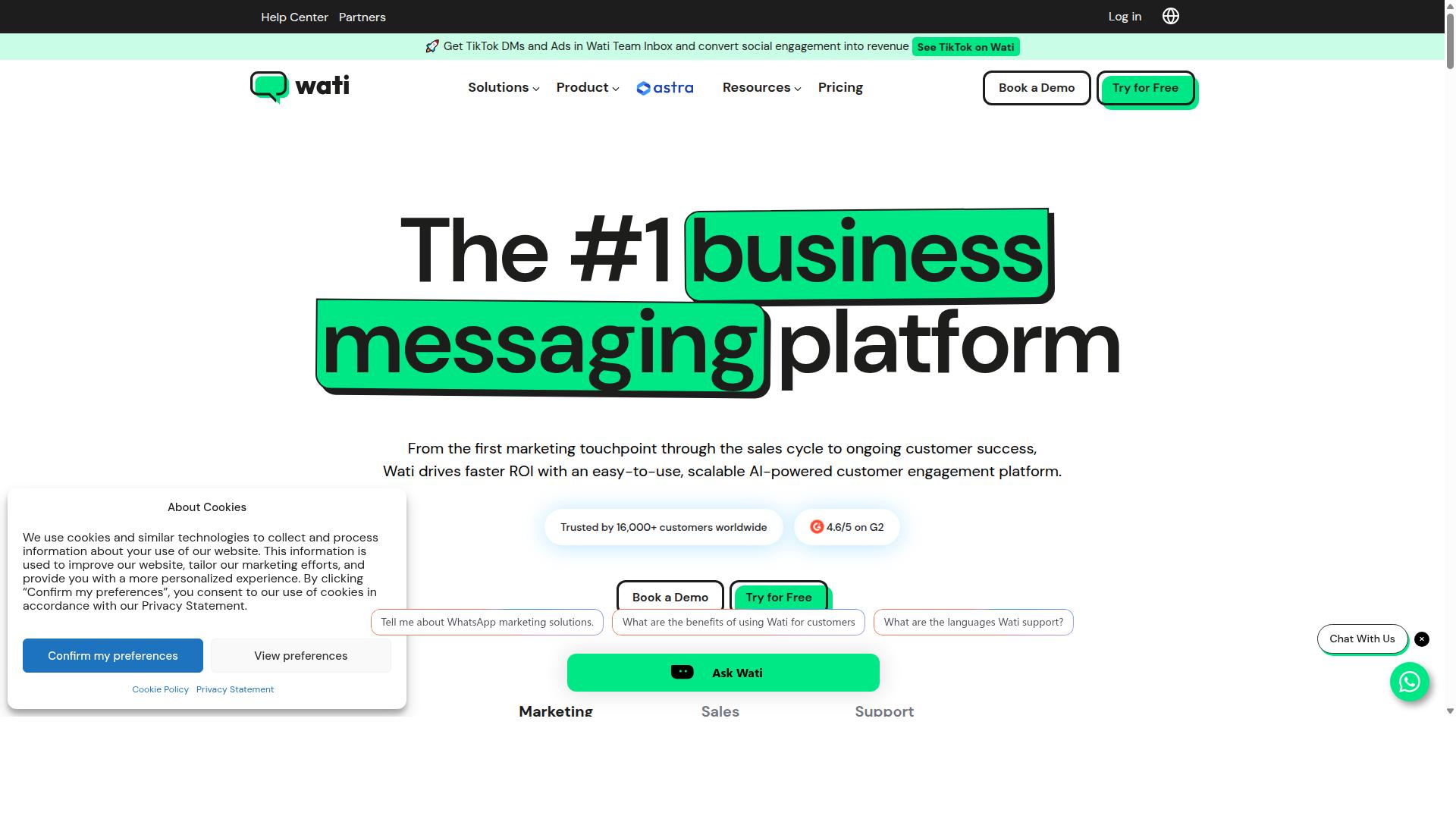
Wati is a popular choice for WhatsApp marketing, offering a user-friendly interface and strong automation features, but it may not scale as well as Com.bot. The platform is widely recognized as an SMB-friendly WhatsApp marketing tool, making it a solid entry point for smaller teams that want to get started with WhatsApp Business API without a steep learning curve.
Wati provides a chatbot builder that lets you automate common customer questions and route conversations efficiently. Its shared team inbox keeps all WhatsApp conversations in one place, which helps small teams manage customer interactions without juggling multiple apps. The platform also supports click-to-WhatsApp ads, allowing you to turn ad clicks directly into chat sessions for lead generation.
For businesses focused purely on WhatsApp, Wati covers the essentials well. You get bulk messaging capabilities, message templates for broadcast campaigns, and basic contact segmentation to organize your audience. The interface is clean and intuitive, so your team can start sending campaigns within a few hours of setup.
However, Wati has some limitations worth noting. Pricing starts at $59 per month with no free plan, and costs can climb as your contact list grows or you need higher message volumes. The platform also focuses primarily on WhatsApp, so if you need multi-channel support across SMS, email, or other messaging apps, you may need additional tools.
Wati works best for small businesses and solo marketers that want a straightforward WhatsApp solution. It offers a free trial, which is helpful for testing the workflow before committing. Just keep in mind that as your operation scales, you may outgrow its feature set and need a more comprehensive platform.
4. Twilio
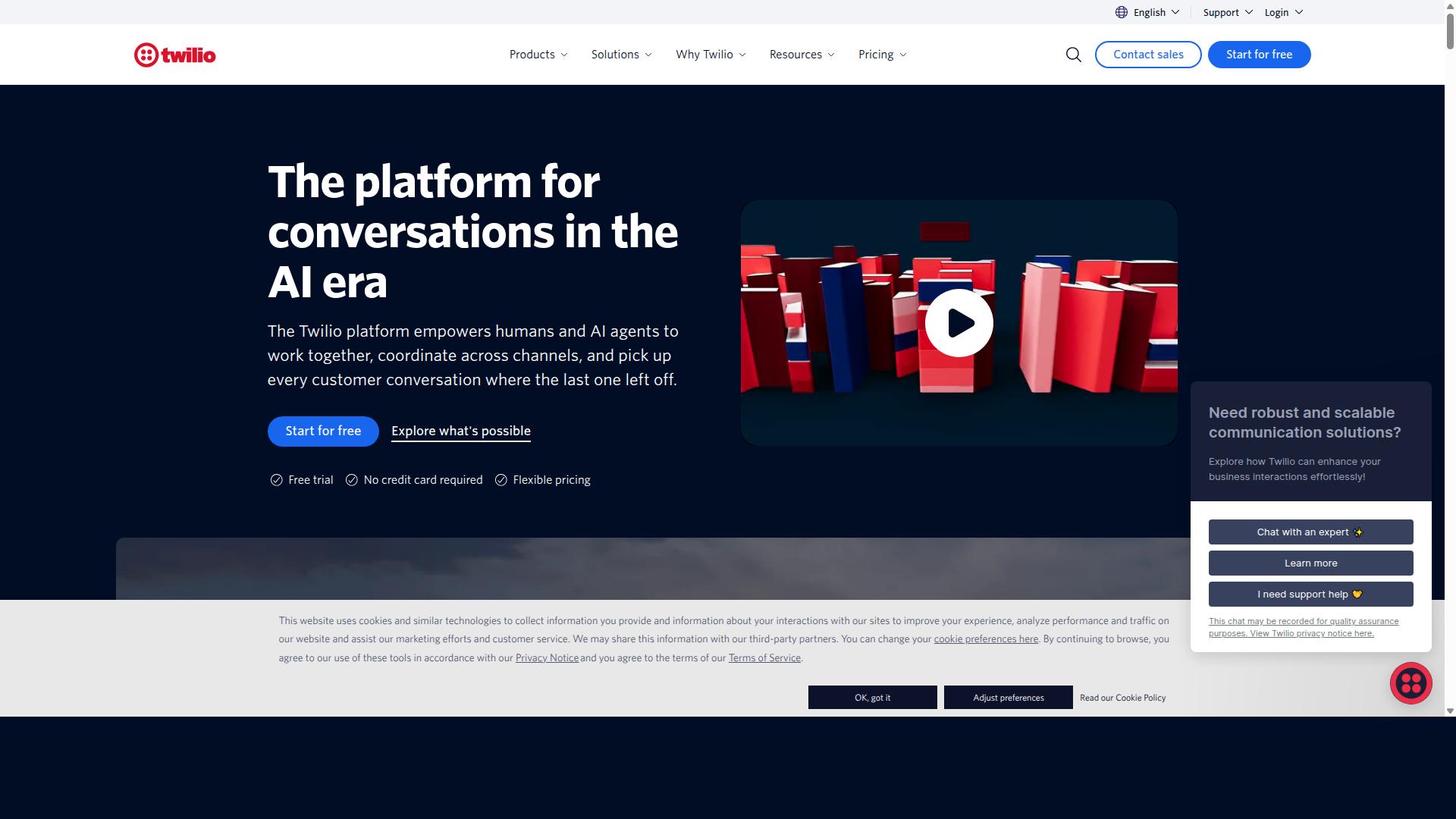
Twilio is a developer-first platform that gives you ultimate control over WhatsApp messaging, but it requires significant coding expertise. It provides the raw WhatsApp Business API infrastructure that businesses can build upon, rather than a ready-made marketing solution.
Twilio acts as a communication powerhouse offering the WhatsApp API at scale. Its core strength lies in flexibility and scalability, allowing engineering teams to craft custom messaging workflows that match their exact specifications.
However, this power comes at a cost. You must handle API rate limits, message templates, and opt-in management yourself, which demands ongoing technical maintenance. Building a functional marketing campaign from scratch means writing code for every feature you want, from bulk messaging to contact segmentation.
For teams without dedicated developers, this creates a steep learning curve. The platform does not include an analytics dashboard, shared team inbox, or chatbot automation out of the box. You would need to integrate those capabilities separately and manage them through code.
By contrast, out-of-the-box tools like Com.bot deliver these features pre-built. A marketing team can start sending broadcast lists and managing quick replies without writing a single line of code. Twilio remains an excellent choice for engineering-led organizations, but it is not a practical option for marketers seeking immediate results.
5. Bird

Bird (formerly MessageBird) offers a comprehensive omnichannel platform with strong WhatsApp capabilities, but its pricing can be opaque. The platform is positioned as a CRM with a built-in WhatsApp marketing tool, making it a solid choice for teams that need more than just messaging.
What sets Bird apart is its ability to unify WhatsApp, SMS, and other channels into a single view. The multi-agent inbox lets your support and sales teams collaborate on conversations without switching tabs, which keeps response times down and context intact.
The analytics suite tracks delivery rates, read receipts, and response time across campaigns. For enterprises, Bird includes security features like end-to-end encryption and GDPR compliance tools, which matter when handling sensitive customer data.
Bird is best for technical teams and larger organizations that need deep customization and API access. It has no free plan, with pricing starting from $0.005 per message, which reflects its enterprise focus.
There are trade-offs to consider. The pricing structure is complex, especially for high-volume senders, and implementation can take time because of the platform's flexibility. Teams without dedicated developers may find the setup steep.
If you need a robust omnichannel hub with strong WhatsApp Business API support and don't mind a longer onboarding curve, Bird deserves a look. Just budget time for configuration and review message templates carefully before you scale up your broadcast lists.
6. AiSensy
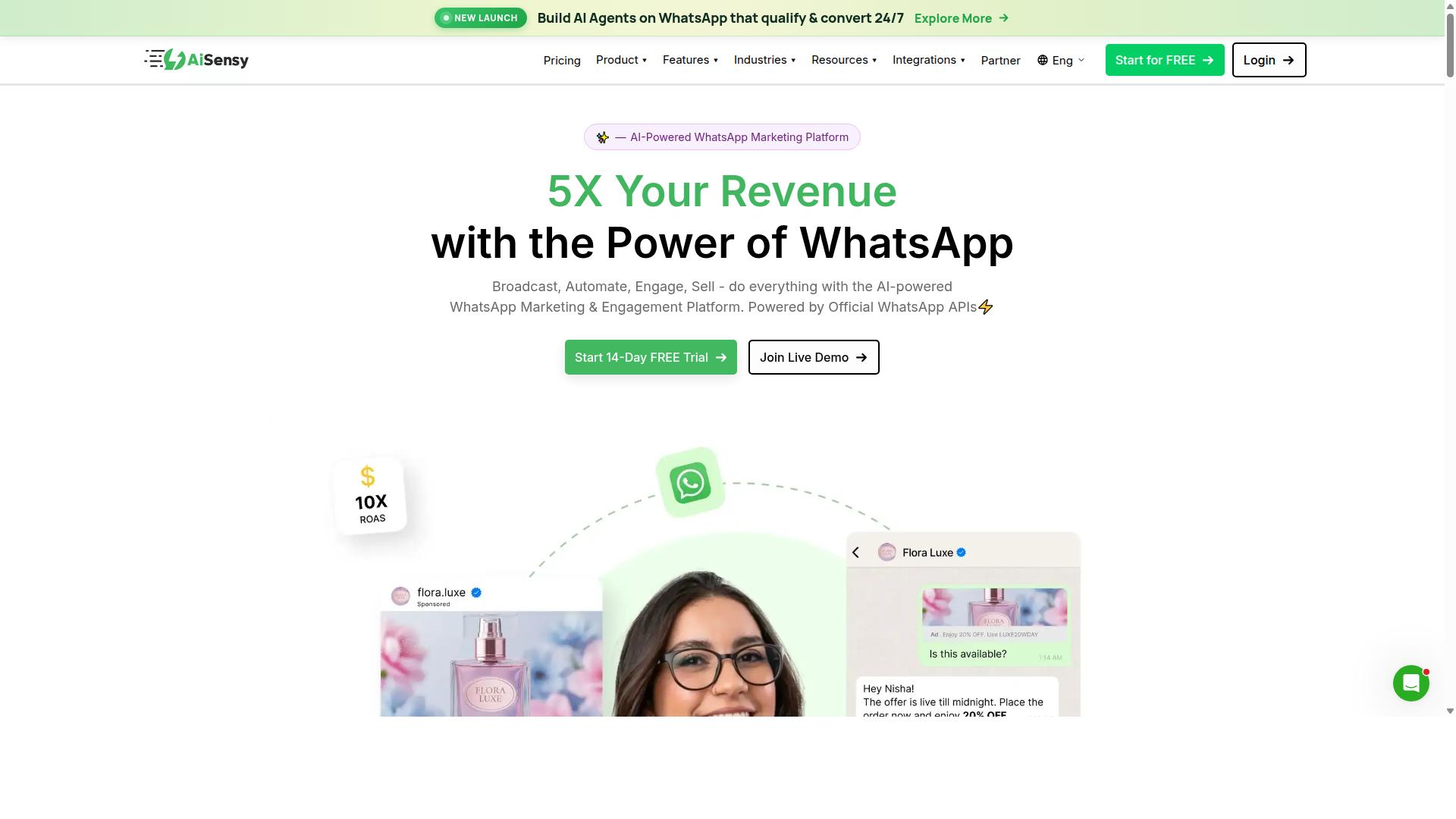
AiSensy is a cost-effective option for small to medium businesses, focusing on broadcast messaging and simple automations. It is often listed among the most practical WhatsApp marketing tools for teams that want results without a steep learning curve.
The platform handles broadcast lists and drip campaigns well, making it easy to send bulk messaging to segmented audiences. Basic chatbot automation covers frequently asked questions and simple lead qualification, which saves time for small support teams.
Its interface is straightforward, so new users can set up campaigns within minutes. This ease of use is a major advantage for businesses without dedicated marketing technologists on staff.
However, AiSensy has limitations. It offers fewer integration options compared to more advanced platforms, and its analytics dashboard is less robust, providing only essential metrics like delivery rate and read receipts.
For teams needing deep CRM integration or complex multi-agent inbox workflows, AiSensy may feel restrictive. But as a budget-friendly alternative, it delivers solid value for straightforward WhatsApp marketing needs.
7. CleverTap
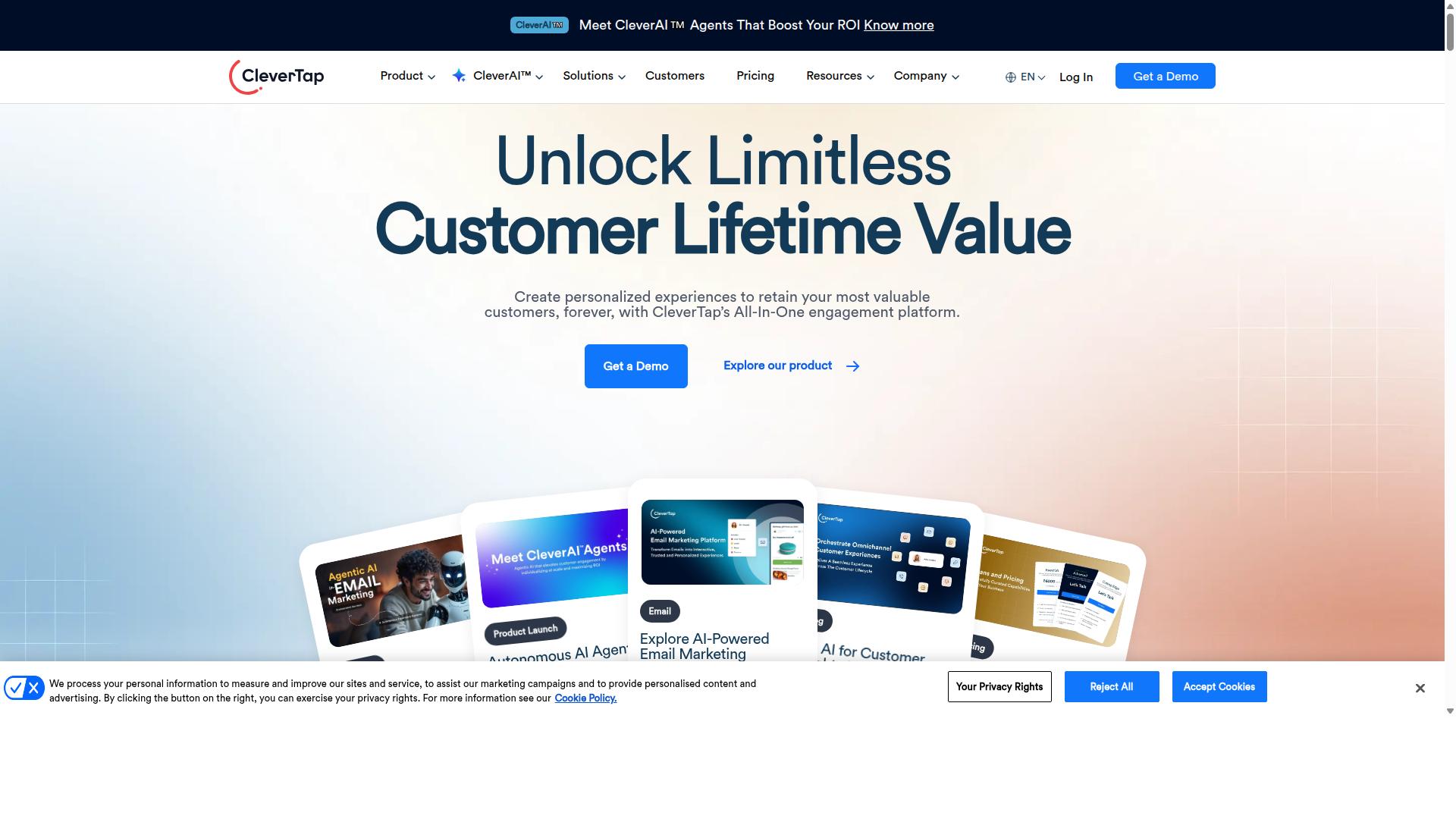
CleverTap is a customer engagement platform that includes WhatsApp marketing, but its primary focus is on mobile app analytics and personalization. The platform is designed for teams that want to understand user behavior across the entire customer journey, not just within WhatsApp conversations.
Its strengths lie in advanced segmentation and lifecycle marketing. You can build detailed audience profiles based on in-app actions, purchase history, and engagement patterns, then trigger WhatsApp messages automatically when users hit specific milestones or show signs of churn.
The WhatsApp features are part of a larger omnichannel suite rather than a dedicated messaging tool. This means you can coordinate campaigns across push notifications, email, in-app messages, and WhatsApp from one central dashboard, which is useful for brands running complex multi-channel strategies.
However, teams looking for a straightforward WhatsApp Business API solution may find the platform heavier than needed. The analytics power is impressive, but it comes with a learning curve, and the pricing is typically geared toward enterprise organizations with dedicated growth teams.
CleverTap is best suited for mobile-first brands with mature product analytics needs. If your priority is deep behavioral insights and you already have a sophisticated marketing stack, it can be a powerful addition. If you simply need reliable bulk messaging and chatbot automation, a more focused WhatsApp tool will likely serve you better.
8. Infobip
Infobip is an enterprise-grade communications platform that offers robust WhatsApp API integration, but it may be overkill for smaller teams. The platform is built to handle massive messaging volumes across multiple channels, making it a strong choice for global corporations with complex communication needs.
Its key strengths include global reach and high API rate limits that support large-scale campaigns. The multi-agent inbox helps enterprise support teams manage conversations efficiently, while extensive security features cover compliance and data protection requirements.
However, this power comes with complexity. Infobip's setup requires technical expertise, and its pricing is structured for large organizations with substantial budgets. Smaller businesses often find the learning curve steep and the cost difficult to justify.
For small and medium businesses, simplicity matters more than enterprise scale. A tool like Com.bot offers a more accessible approach to WhatsApp marketing, with straightforward setup and value-focused pricing that fits tighter budgets. It delivers the essential features SMBs need without the overhead of a full enterprise platform.
9. Gupshup

Gupshup is a messaging platform with a strong focus on chatbots and conversational commerce, but its user interface can feel dated. The platform is best known for its developer-friendly tools and robust API, which make it a favorite among technical teams building custom WhatsApp solutions.
Chatbot automation is the centerpiece of Gupshup. Businesses can design complex conversation flows that handle FAQs, qualify leads, and process orders directly inside WhatsApp. The platform also supports broadcast lists for sending bulk messaging campaigns to segmented audiences.
Beyond WhatsApp, Gupshup offers multi-channel messaging across several popular chat apps. This makes it a versatile option if you plan to manage SMS, web chat, and social messaging from one place. CRM integration options are available, though they typically require more setup effort than with simpler tools.
However, the power comes at a cost. The learning curve is steeper than most alternatives. New users often need technical support or developer assistance to configure message templates and manage opt-in workflows. The interface prioritizes functionality over polish, which can frustrate marketers who prefer a more visual, drag-and-drop experience.
For teams with dedicated developers, Gupshup delivers deep control and flexibility. For small businesses or solo marketers looking for quick setup, the platform may feel overwhelming. It is a solid choice when you have the technical resources to leverage its full potential.
10. Respond.io
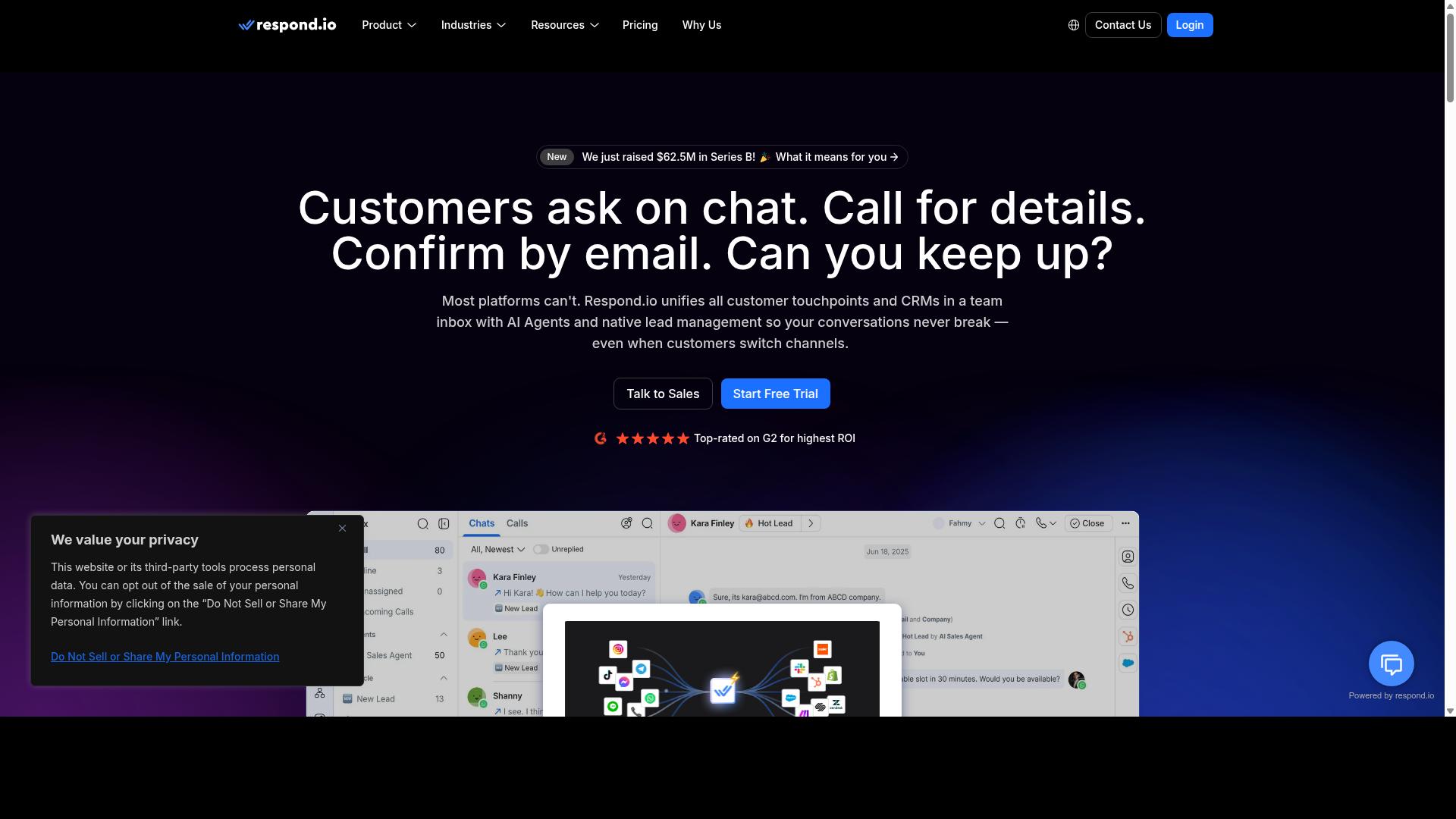
Respond.io excels in managing customer conversations across multiple channels, but its marketing automation features are less developed. This platform shines when you need a unified multi-agent inbox that pulls WhatsApp, Facebook Messenger, and other channels into one clean workspace. Support teams can see every conversation in a single queue, which cuts down on context switching and lost messages.
The live chat and ticketing capabilities make it a natural fit for businesses that prioritize customer service speed. Agents can assign conversations, track response times, and keep a full history of each contact without leaving the interface. For teams handling high volumes of inbound questions, this structure is genuinely helpful.
However, Respond.io is more of a support tool than a marketing platform. It lacks the advanced broadcast and drip campaign features that marketers expect from dedicated WhatsApp tools. You will not find the same depth in contact segmentation or automated marketing journeys that you get from platforms built specifically for outbound campaigns.
Position Respond.io as a complement to your marketing stack rather than a replacement for it. Use it to handle the conversations that your marketing campaigns generate, then rely on a dedicated marketing tool for broadcasts and automation. According to publicly available information, Respond.io targets small and mid-sized businesses with pricing around $79 per month and no free plan.
How to Choose the Right Option
To choose the right WhatsApp marketing software, match your business size, technical expertise, and budget against the features that matter most. A small team with no developers needs a no-code tool with an intuitive interface. An enterprise with IT resources can handle more complex platforms that offer deeper customization.
Start by assessing your team size. Small businesses often need simple broadcast lists and quick replies. Enterprise organizations typically require a multi-agent inbox, CRM integration, and compliance features like GDPR support.
Next, evaluate your technical skills. No-code tools let marketers launch chatbot automation without writing a line of code. Developer-friendly platforms offer API access for custom integrations, but they demand ongoing maintenance and technical oversight.
Budget plays a major role in the decision. Pricing tiers vary widely across WhatsApp marketing tools, so compare what each plan includes for bulk messaging, contact segmentation, and analytics dashboards. A free trial is the best way to test usability before committing, so always take advantage of trial periods.
Consider the channels you need to manage. Businesses seeking to automate and scale communication across WhatsApp, Facebook, and Instagram will find Com.bot a versatile choice. Its target audience includes government bodies and enterprises requiring multi-channel customer support, bulk messaging, order updates, and payment collection.
Other tools may suit niche needs better. Some platforms excel at click-to-WhatsApp ads, while others focus on e-commerce integration with Shopify or WooCommerce. If your priority is a shared team inbox with read receipts and response time tracking, look for tools that emphasize agent collaboration.
Finally, think about long-term scalability. A tool that works for 50 contacts may struggle with 50,000. Check API rate limits, delivery rates, and whether the platform supports message templates and drip campaigns as your volume grows.
Final Verdict
For most businesses, Com.bot is the best overall WhatsApp marketing software, thanks to its balance of features, ease of use, and scalability. It combines bulk messaging, chatbot automation, and CRM integration into one platform that grows with your operation.
Com.bot stands apart as an official Meta Business Partner with a proven track record. The platform serves 23,000+ active customers, processes 25M+ messages per day, and supports 100+ government bodies alongside 500+ global partners.
Enterprise security comes standard with end-to-end encryption, while real-time message delivery ensures your broadcasts reach customers instantly. Quick setup and integration mean you can launch campaigns without lengthy technical work, and Com.bot applies no markup on WhatsApp conversations.
Here is how the top contenders stack up for different needs:
- Com.bot: Best overall for most businesses, balancing power, security, and ease of use
- Brevo: Strong choice when email marketing synergy with WhatsApp matters most
- Twilio: Ideal for developers who want granular API control and custom builds
- Other category leaders: Suited for specific niches like e-commerce, support desks, or small-budget teams
The deciding factor is usually the tradeoff between flexibility and simplicity. Developer-focused tools demand coding expertise, while lighter platforms often lack the depth needed for serious bulk messaging and chatbot automation.
Com.bot avoids that compromise. It delivers enterprise-grade features like contact segmentation, multi-agent inboxes, and analytics dashboards without requiring a technical team to manage them.
If you need a WhatsApp Business API solution that handles high volume, maintains security, and integrates with your existing sales funnel, Com.bot is the clear recommendation. The platform's track record across private and public sectors speaks for itself.
Recommended Resources: